
Services
Comprehensive, developmentally grounded care for children, teens, adults, and families.
I provide care for individuals and families across the lifespan, as well as consultation and training for early childhood programs and schools. My work is grounded in developmental science and relationships—whether I’m supporting a parent and young child, guiding an adolescent through a challenging transition, or helping a school system strengthen its mental health supports.
My practice is entirely virtual, but I offer home visits when needed, particularly for young children and developmental evaluations.
Please note that my private practice is self-pay and not paneled with any insurance companies; any in-network listings you may see are connected to my faculty position at MedStar Georgetown, not this practice.
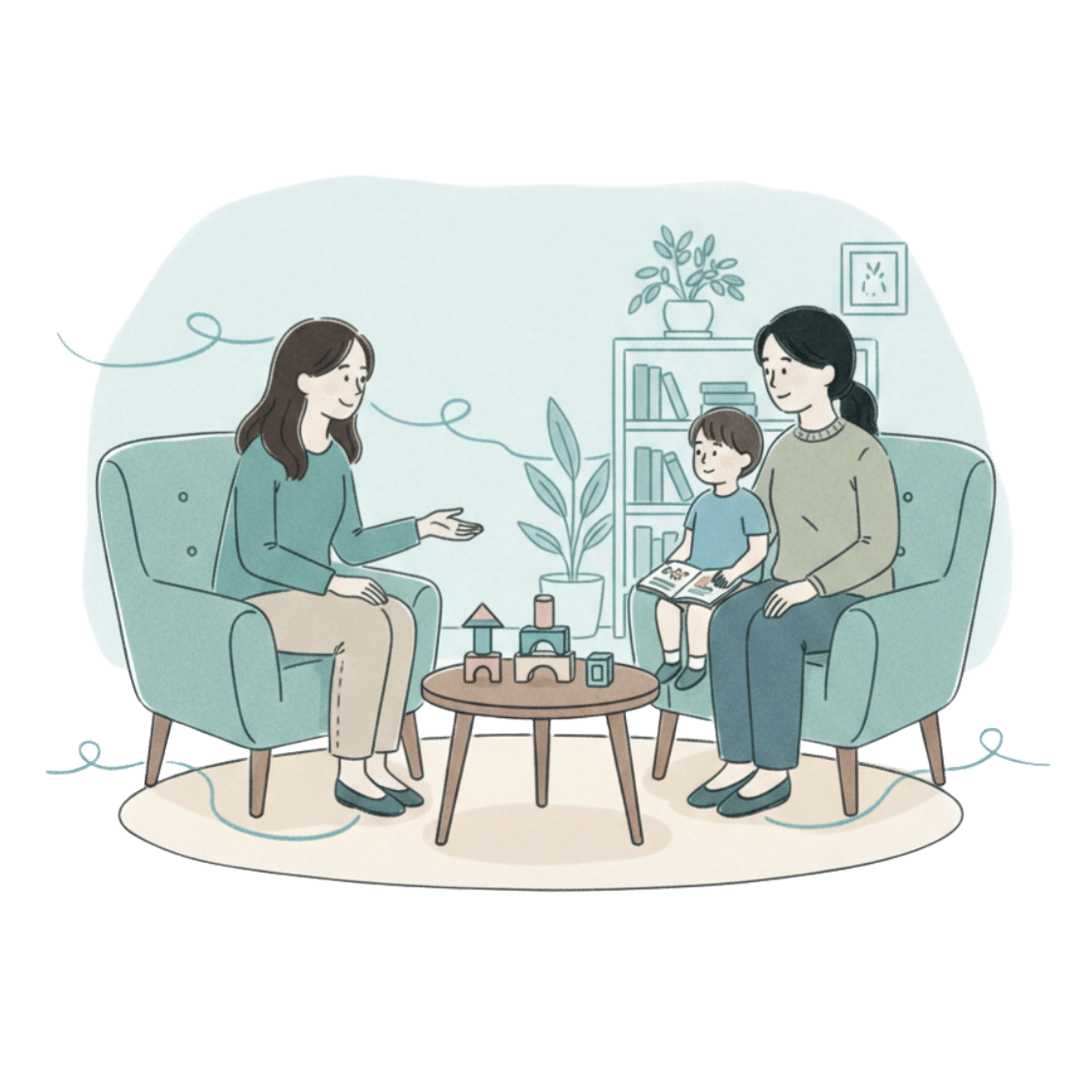
Psychotherapy
Adults, Adolescents, Children (including Early Childhood)
Individual and family-focused treatment tailored to developmental stage and goals.
Common focuses: mood and anxiety disorders, stress and burnout, life transitions, parenting support, disruptive behavior, attention and learning concerns, perinatal and early-parenting mental health.
My therapeutic training includes:
- Parent–Child Interaction Therapy (PCIT)
- Child–Parent Psychotherapy (CPP)
- Trauma-Focused CBT (TF-CBT)
- Parent–Child Interaction Therapy (PCIT)
- Child–Parent Psychotherapy (CPP)
How I work:
- Developmentally attuned psychotherapy (attachment-informed; play-based for young children)
- Parent guidance and coaching for early childhood behavior and regulation
- Skills for emotion regulation, executive function, and family communication
- Collaboration with schools and other providers when helpful
What to Expect:
- Initial evaluation: typically 2–3 sessions for young children, 1–2 sessions for older children, adolescents, and adults.
- For young children, the first session is held with parents only; subsequent sessions include the child.
- May include a home visit when helpful to understand the child’s environment and routines.
- Ongoing sessions are 45–60 minutes and may include parent check-ins as needed.
Autism Evaluations
Ages 2–7, and older as appropriate
Comprehensive, developmentally sensitive assessments to clarify diagnosis and guide next steps.
What’s Included:
- Diagnostic interview and developmental history
- Standardized tools (e.g., ADOS-2) and play-based observation
- Rating scales and collateral input (home/school/daycare)
- Clear, jargon-light written report with individualized recommendations
- Feedback session for caregivers; collaboration with school teams upon request
Goals: understand your child’s profile, support access to services, and create a practical plan for home and school.
What to Expect:
- Evaluation: typically completed over 2–3 sessions, including parent interview, child assessment, and feedback session.
- A written report summarizing results and recommendations is provided.
- A home visit may be included to observe your child in their natural environment.
- Collaboration with schools and pediatric providers is available upon request.
Medication Management
Thoughtful, conservative use of medication—only when potential benefits outweigh risks and fit your values. I emphasize measurement-informed care, shared decision-making, and close follow-up. Medication can be combined with psychotherapy or parent-focused interventions.
What to Expect:
- Medication evaluation typically follows a psychotherapy or diagnostic intake.
- Frequency of follow-up visits varies based on clinical need—usually every 2–4 weeks initially, then monthly or quarterly once stable.
- All visits are conducted virtually, with coordination of care across your broader treatment team when applicable.
Consultation & Second Opinions
Targeted consultations for families and clinicians seeking clarity on diagnosis, treatment options, or care plans.
Examples: differentiating ADHD/anxiety/learning issues; optimizing treatment for depression; guidance on school supports and accommodations; brief parent consultation for behavior concerns.
What to Expect:
- Typically one to three focused sessions, depending on the question.
- May involve review of prior evaluations, school records, or medical information.
- Families receive a concise written summary of impressions and next steps when requested.
Speaking & Workshops
Keynotes, grand rounds, professional trainings, and parent talks—customized for schools, districts, healthcare systems, nonprofits, and workplaces. Available in person or virtual; single sessions or series.

Popular Topics:
- Social media, smartphones, and mental health in tweens/teens
- Early childhood mental health: play, attachment, and behavior
- Practical strategies for disruptive behavior and emotional dysregulation
- Parent mental health and family wellbeing
- Building resilient school communities (prevention to intervention)
What to Expect:
- Presentations are customized to your audience and goals.
- Options include interactive workshops, parent talks, and professional development sessions.
- Format can be virtual or in person; materials and resources provided to participants.